Mama Gone Green is a blog dedicated to raising happy children and reducing our impact on the Earth. My name is Taryn and I am the mother of 2 young kids and an environmental studies instructor at a community college in Portland, Oregon. Please join me as I journey through life as a mama, teacher, knitter, photographer, gardener, and environmentalist!
Showing posts with label eating local. Show all posts

Tuesday, September 11, 2012

What's For Dinner?

Heirloom Tomato Salad:

Fresh mozerella
Heirloom tomatoes and basil from our garden
drizzled with oil, balsamic vinegar, sea salt and pepper


Cedar-plank Wild Salmon and Butternut Squash Gnocchi with a Poblano Cream Sauce and shallot-roasted green beans:

We found this yummy gnocchi and loads of poblano peppers at the farmers market over the weekend, and just couldn't resist combining the two. It was pretty yummy!

Pin It Now!

Saturday, October 1, 2011

Reducing My Impact: A Year-Long Adventure. Month 6- Choosing Local

Wow! I can't believe I am already in month 6 of my year-long adventure to reduce my impact on the planet. Some months have been more successful than others, and some changes haven't worked out so well,.... but others have already become second nature. This month I will be working on choosing local. I am already a big fan and supporter of local food and goods, but I often find myself choosing food or goods that are not local, or going to a chain store because it is cheaper and more convenient than shopping locally. I know that I will still sometimes go to Fred Meyer, JoAnn, or other chain stores. There just isn't a way around it. However, I am going to do a better job of supporting my local shops, local brands, and local foods.
As the end of summer is approaching, and with it the end of the farmers market, local foods will become more scarce, and it will take more work for me to eat seasonally. Last winter I managed to eat mostly locally, but I did have a couple of splurges for mexican grown tomatoes or zucchini in the middle of winter. This winter I will try and keep my produce consumption to the western coast of the United States whenever possible.
I am also going to try to shop at local, non-chain stores more. I know you often pay a higher price at these places, but quality is often higher as well. If I pay $35 for a pair of shoes that both Finn and Phoebe can wear (because they last) and it supports my local economy, that makes more sense than buying Finn and Phoebe each a pair of cheapo shoes for $15 that were made in China and will be worn out before they grow out of them.
But, I am also realistic and know that I won't always be able to support only local. If I can get fabric for $3 a yard at JoAnn, it is mighty hard to go to the fabric shop  down the street and pay $15 for the same thing. We just don't have the extra cash to do that.
My vow this month is to choose local whenever possible. If it costs a little bit more, I am willing to pay that little bit and get a little bit less of it. If it is less convenient because I have to go to several stores instead of one big one, than I can deal with that. I will try and save my trips to the chain stores for when it is a must, and put more money into the hands of my neighbors instead of into the hands of big corporations. Pin It Now!

Sunday, April 10, 2011

Our Weekend....

We were very lucky to have a mostly non-rainy weekend, and my family managed to squeeze in a lot of productive time, as well as a lot of fun.
We did a lot of work in the garden digging up old bulbs, planting potatoes, dividing some bee balm.
I also threw together a fence (made from sticks and hemp) as we have had some folks who have been letting their dogs walk into our yard, and onto our planting beds to pee. I have dogs myself, so it's not the dog aspect that bothers me, just the fact that my tiny seedlings may get smashed. And, this fence obviously is not going to actually keep anyone out, I just figured that it subtly sent the message to please keep your pets off of our yard! I hope so anyways.....
We (OK, mostly Todd) also built Finn his very own raised bed in our driveway for him to plant whatever he pleases. We got a wagon full of free dirt from a house down the road, but still have to get a few more loads before it can be planted in.

On Saturday morning, the family (dogs included) headed to nearby Sauvie's Island for a morning of fresh air, napping for some, playing in the sand for others, and Finn's first run at flying a kite! There was just enough wind to get it launched a couple of times....


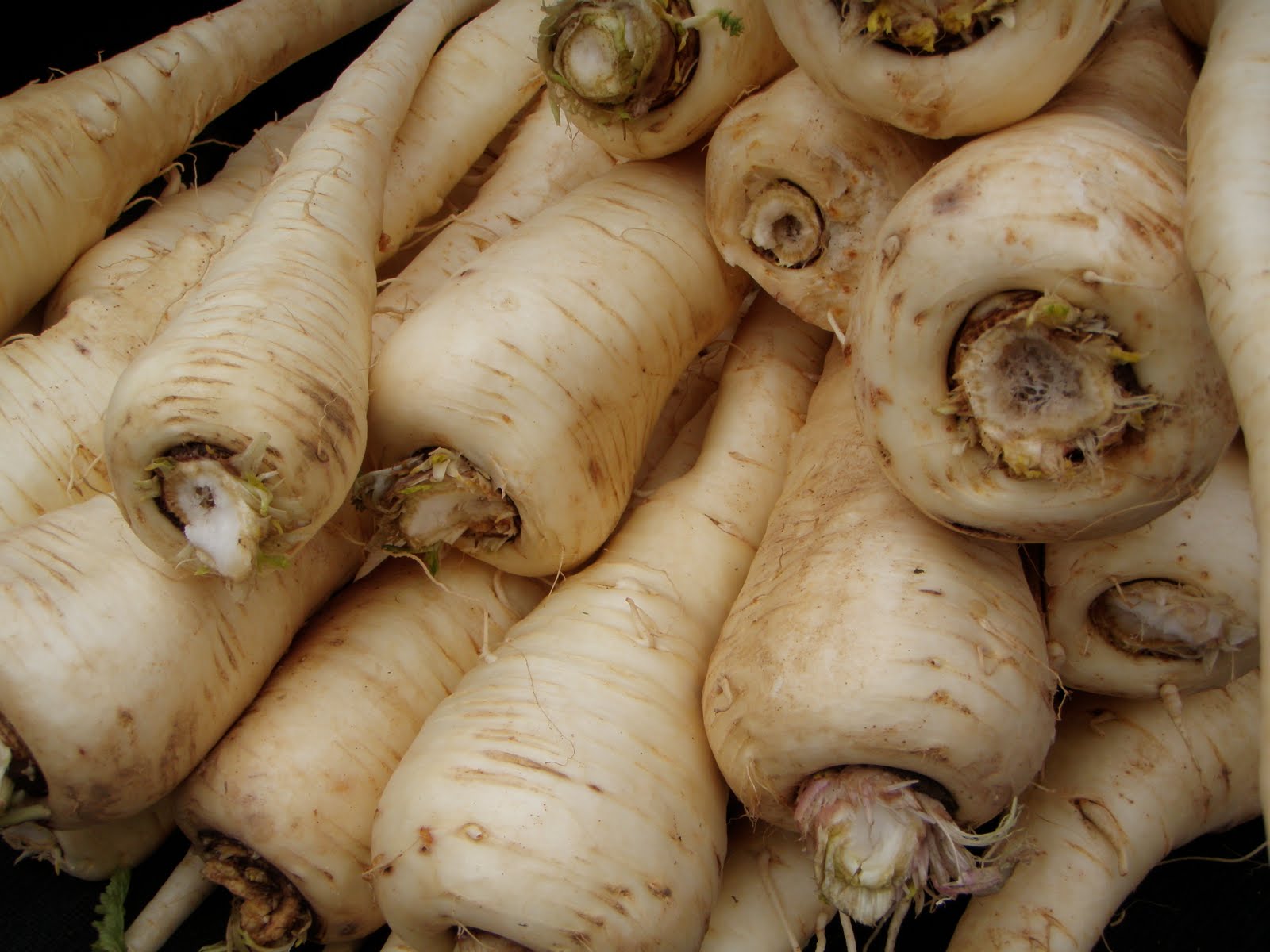
 After Sauvie's Island we made it to the Farmers Market for some lunch and to grab some produce for dinner. Pickings were sort of slim, as it is still early in the season, but being there made me so excited for the local abundance that will be here soon! And we saw the largest parsnips I have ever seen!
We spent the rest of the weekend doing a HUGE spring organizing of our home and garage (which we use for storage). We put together a carload full of stuff that we no longer need that will be donating, and I spent a lot of time organizing baby clothes and reorganizing the art supply shelf. Not the most exciting of tasks, but it sure feels good to downsize and to feel like our tiny house is a bit more in order.
Now if I can just fit in a little sewing before I fall asleep.... Pin It Now!

Thursday, October 7, 2010

What Have We Done With All of Those Apples?


Apple Sauce:
We peeled and cored about 2 bowlfuls of apples and cooked them, along with some cinnamon, until they were tender. I like my applesauce chunky, so I mashed using a potato masher. Either eat warm, or jar for preserving! this is really delicious served warm with plain yogurt!
Note: I think I made my applesauce way too thick... it tastes delicious, but when I canned it there were lots of air pockets in the jars..... the jars sealed, so I think they are fine, but in the future, I think I will water mine down a wee bit!


Dried Cinnamon Apples:
Cut apples into thin slices and sprinkle with cinnamon. Place onto a greased tray and cook on 275 for about an hour or until dried. 


Apple Pie:
Peel and core 6-8 apples. Mix with cinnamon, 1/3 cup sugar, 1 tbl lemon and a few pats of butter. Place into your favorite pie crust (homemade, or if you feel like cheating, store-bought). Bake at 450 for 15 minutes, than 45 minutes at 350. 
Note: I made this pie knowing my husband does not like pie (weirdo), but figured that Finn and I would be able to eat the entire thing. Now I know that Finn is not a fan of pie either,  so I guess I am going to have to eat this whole pie myself!


Apple-Cranberry Muffins:
What You Need:
  • 1 cup white flour
  • 1/2 cup whole grain flour
  • 2 tsp baking powder
  • 1/4 tsp baking soda
  • 1/4 tsp cinnamon
  • 1/2 cup sugar
  • 3 Tbl olive oil
  • 1 egg
  • 1/2 cup milk or milk substitute
  • 1/2 cup sour cream
  • 2 apples, peeled cored and chopped
  • 1/2 cup cranberries dried or fresh (I used dried but look forward to when cranberries are in seasons and trying it with fresh)
What You Do:
  • Preheat oven to 375. Mix dry ingredients and wet ingredients separately. Combine together and fold in fruits. Place into prepared muffin tins and bake for 25-30 minutes.

Pin It Now!

Tuesday, September 28, 2010

Pears Galore!

I bought 20 pounds of locally grown pears a few days ago, and have been trying to use them up before they all go bad. Here are some of the things we have made:

Pear sauce! Super easy to make.... peel and core the pears and cut them into chunks (or if your family will eat the skins, don't peel them!). Add a little bit of lemon juice and some cinnamon and simmer until tender. I didn't add any extra sugar and this came out plenty sweet enough for me! I like my pear sauce chunky, so once the pears were tender, I just used a potato masher to mash it up. I used a hot water bath to process them.
I was actually really surprised at how many pears it took to make only 4 quarts of sauce.... I think we will go through this must faster than I thought!!

I also made some pear butter. All the recipes for this call for lots of added sugar, but I didn't use any (and I still think it taste delicious!). I used about 8 pounds of pears (peeled and cored), a few tablespoons of vanilla and about a tsp or so of cloves. I pureed it all until smooth in a food processor and then cooked it on high in a crock pot for most of the day (until it is pretty thick). I also canned this using a hot water bath. Once this cooked down I only filled 6 4-ounce jars, so next time I will probably make a much bigger batch (I think this will make a great xmas present!)


I also made some pear leather. This was my first time making leather and I was pleasantly surprised by how yummy it turned out. I only wish I had made more!! For pear leather, I used 4 pears (peeled and cored), and pureed them with a little cinnamon and ginger. Then you line a cookie sheet with plastic wrap, and spread the pureed mixture evenly over the tray. Now the problem is the drying.... I dried this on low (about 170) in the oven for a few hours, then it spent a day in the sun (in a box covered with plastic wrap to keep out critters), and then it still needed a few more hours in the oven again. So, it took a really, really long time to dry my one sheet of fruit leather. If I had more cookie trays, I could do 4 at a time, and that would be a little more manageable. However, I think I am adding a food dehydrator to my xmas wish-list.... I have heard it only takes about 6 hours in a dehydrator, and since this came out so fantastic, I know I will want to make more next year. A solar oven may be an option as well, however, I have never tried it! Pin It Now!

Sunday, April 25, 2010

Let the Farmers Market Begin!


Yesterday was our first chance of the spring to make it to the Portland Farmer's Market. Hooray for local farmers and local food! Pin It Now!

Sunday, March 28, 2010

Our Farm is Growing!


OK, so my family lives in a tiny house (800 square feet) on a pretty tiny lot in urban Portland. And, like many Portlanders, we are becoming more and more curious about where (and how far) our food comes from and we have been trying to grow more of our own food, or at least be able to talk to the people who have grown it. So, also like many Portlanders, we have decided to grow our own eggs! However, we decided that chickens weren't right for our family. We grow food in our backyard (and chickens have been known to demolish gardens) and we were hoping for a bird that was a little more social.... enter DUCKS! After some advice and some research, we decided that ducks would be a great fit for our home. We were able to find some Ancona ducks via craigslist- these birds are supposed to be great egg layers (up to 280 eggs each per year!) and they are not able to fly (at least that is what they say!!) so we don't have to worry about our girls migrating south for the winter. Not only will these ladies produce eggs for us to eat, but they are also well known for their pest-control capabilities. Ducks LOVE to eat bugs, especially slugs which we seem to be teeming with. On top of that, they will fertilize our yard/garden with their droppings and they are supposed to make great pets. So these birds will give us food, pest control, fertilizer and companionship. I am sold.
We got our ducks last Sunday and here are a few recent pictures. Welcome Sami, Smudge and Mutter. They have already almost doubled in size in one week's time. They need to live inside for the next couple of weeks until they are big enough to handle the cooler nighttime temperatures of the great outdoors of Portland. Once they have moved to the backyard, they will have free roam during the day, but will be locked in a coop (a free one we scored off of craiglist!) at night for their own protection.
As for now, they are super cute and incredibly messy. I already love these little buggers but I am excited for them to move outside.....especially since they are sharing my bedroom (and let me tell you that bedroom + heat lamp makes you feel like you are sleeping in a tanning bed).
I will try to keep you updated on my duck-farming journey and my quest to grow my own food! Pin It Now!

Saturday, November 28, 2009

Become a Locavore!


OK, OK. I know that I am touting the importance of local eating every chance I get, but I thought I would just remind you all once again. EAT LOCAL!
Eating local is good for so many reasons including:
1. keeping money in your own economy
2. eating food that is fresher (because it hasn't been traveling for days) and therefore more packed with nutrients
3. decreasing your carbon footprint by needing less fossil fuels to get your food from the farm to you.
4. keeping tabs on how your food is grown; if you are eating local you can visit the farms and talk to the farmers. Plus, it is much easier to influence your local growers to keep the ideals of the community in mind
5. eating seasonal will make your try new foods, vary your diet throughout the year, and appreciate what your local environment has to offer.

I know that eating local can be tough; sometimes it is more expensive (because it is not mass-produced) and some of us live in climates where we would starve in the winter if we did not eat food from other regions (unless we are very motivated food preservers!).
But, YOU CAN eat local more! Start reading produce labels and packages. If you have a choice between an apple from Washington or New Zealand, is there really even a question there? I would much prefer the apple that has not traveled across the world to get to me. When you have an option, choose the local one. When the item you want (need!), like coffee, cannot be grown in your region, make sure to choose a sustainable grower that supports it local community, and try to use less of the product to compensate for the long distance it has to travel.
Lastly, encourage your local eateries and favorite restaurants to support local foods. A company can make a much larger impact than an individual, so the more businesses that climb aboard the local train, the better off we will be.
To find a list of products grown in your community, as well as farmers markets, CSAs, and more goodies, check out:
http://www.localharvest.org/ and http://eatwellguide.org Pin It Now!

Monday, October 5, 2009

Enjoy Fall 's Bounty


Fall has arrived and has brought beautiful colors with it! The leaves on the trees are starting to change and the local markets have squashes in all hues of orange, yellow and green. Fall is the harvest season and your local farmer's market will have lots to offer. So, support local agriculture and bring some of fall's colors back home with you.
This time of year is also a wonderful time to stroll through your neighborhood with your children. Changes are happening everywhere, and the more you are out, the more you will notice! Pin It Now!

Tuesday, May 19, 2009

Homemade Baby Food


Those little jars of baby food are awfully convenient, but may not give you the biggest bang for your buck-- monetarily or nutritionally speaking. Jarred baby food is MUCH more expensive per ounce than fresh food or food prepared for adult consumption. And while it is nice to have the pre-sized portions of well-blended baby meals, it can unnecessarily increase your grocery bill. Furthermore, jarred baby food loses nutrients as it has to be cooked at high temperatures to kill off any possible bacteria.
Making homemade organic baby food is easy, not too time consuming, and will save you some much needed cash, especially in these economic times..... When I was making baby food (now my guy is big enough to eat whatever we are eating!), I would devote a couple of hours once every other week and make large batches of baby food that I froze. I read the book Super Baby Food by Ruth Yaron. It was well worth the read and gave me some great tips on making your own baby food, as well as when and how to introduce new foods. I will share some of her tips with you here!
The easiest way to make baby food is, as I have already said, in large batches. When you go to the grocery store, buy a couple of weeks worth of a few different organic fruits and veggies. I always looked for what was on sale, which would sometimes determine what my little guy was going to eat for the next couple of weeks. If you buy large amounts of on-sale produce, you can make your own organic food for pretty cheap. Once you are ready to process the food, you will need ice cube trays and freezer bags, as well as something to mash the food with (a fork can work fine, but a baby food mill can help get the food even smoother-- some babies really prefer a smooth texture!).
I preferred do cook all of the food at once, and be really busy in the kitchen but get it over with. Cook, steam, or boil each of your fruits/veggies. You want to cook them enough so that they are soft and cooked through, but the more you overcook, the more nutrients will be lost. So, cook only until they are done. After each food is cook, mash well until you get the texture you want. Make sure to remove seeds and skins, particularly for the very young ones! As soon as you are done mashing, fill your ice cube trays with the mashed food, cover well with tin foil, and put into the freezer immediately. Freezing right away will keep more nutrients and prevent bacteria from growing on the food. If you time this right, you can be putting one veggie into the freezer just as the next is ready to be mashed.
After your food is frozen (a couple of hours) crack the veggie cubes into a freezer bag and make sure to get ALL of the air out. Then, double bag into another freezer bag. Trust me; if you don't get all of the air out and double bag it, you will get freezer burn. It is worth the extra minute or two! Also, don't forget your cubes in the trays overnight. The longer they sit there after freezing, the better chance of them accumulating some freezer burn!
Now, label your bags with what is in there and the date you froze it on, and now you have baby food all ready to go. When baby is hungry, just throw a couple of cubes into a saucepan and heat on low, making sure to stir frequently in order to heat evenly (as it is easy to get VERY hot parts in with still frozen parts). Before feeding to your little one, make sure that there are NO frozen or hot parts. You could probably use a microwave as well, but we are microwave-free at our house, so I am not sure how long it would heat up for.
Freezing the food will cause it to lose some nutrients; making your babe fresh food each meal would be ideal, however, none of us busy moms have time to do that. Plus you would end up wasting quite a bit of food. Freezing will preserve more nutrients than jarring, and will save you much needed time and sanity.
Now you know exactly what you are putting into your baby's tummy and you know exactly how that food was handled. If you buy food that is in-season, you can buy your produce locally and even know exactly where it was grown! You will be saving money, providing more nutritious food for your babe, and you will be reducing your environmental impact! You will no longer have multiple glass jars every day that need to be recycled after only 1 use! Plus, you will be avoiding all of the fossil fuels used to transport produce to the factory where the baby food is made, and then transport the finished product to stores. I am not saying that jarred baby food is evil- it is great for traveling, for babysitters, and for those days when you just can't muster the courage to face the kitchen after a day from hell. But, if you rely on homemade food for the majority of your little ones' meals, you will find that it is not that much extra work, and well worth the extra nutrition and extra savings! Pin It Now!

Monday, April 20, 2009

Animal, Vegetable, Miracle: A Review

I recently finished the book Animal, Vegetable, Miracle: A Year of Food Life by Barbara Kingsolver. This book is amazing and is a must read for anyone interested in gardening and eating local. Kingsolver, who is well known for her works of fiction (Poisonwood Bible is one of my favorites!) provides a wonderful account of a year that she spent eating VERY local- almost everything she ate was grown or raised on her own farm.
I do realize that most of us do not have the space or the time (or the skill!) to provide entirely for ourselves. However, reading this book seriously motivated me. Not only to have an awesome garden this summer, but to just be very aware of where everything I eat is coming from. I have already blogged about the importance of eating local, and this book touches on many of the points I made... with much more sophistication.
The book is interlaced with environmental factoids (from Genetically Modified Foods to carbon footprints) and has some fabulous website references for more detailed information. To top it off, this book comes with recipes for in-season cooking. I can't wait to try some of them out.
So, do yourself a favor and get your hands onto this one. You will be happy you did! For more info on the book, or to check out some of her recipes go to:
http://animalvegetablemiracle.com/
You will be on the road to eating local in no time!
Pin It Now!

Saturday, March 21, 2009

Where does YOUR food come from?


Today was the first day of this season's Farmer's Market in Portland. Joy! As I was walking around with my mama friend Amy and thoroughly enjoying the bounty of local Portland produce, I realized that this was the perfect topic to blog about.
As parents, we are responsible for what our child eats. And, as you are what you eat, what a parent feeds their child should be carefully selected. The eating habits and choices you teach your child as a toddler will likely be choices that remain with them for your child's entire life. So, if you want the best for your child, feed them healthy foods. At least most of the time!
Today I want to talk about the importance of eating locally. I realize that depending on where you live, your options for eating local may vary throughout the year, but everyone can manage to eat locally at some time during the year. Eating local has many advantages for the environment and for the health of you and your family:
1. Your food does not have to travel thousands of miles to get to you and so large quantities of fossil fuels (contributing to climate change, people) will not be used to get your food from where it was grown to your plate (the average food travels between 1,000 and 1,500 miles to get to you! Yikes!)
2. Also, because of less travel distance, local food is fresher, and has more nutrients. Better for you!
3. You keep your money local, which improves where YOU live!
4. You have a chance to actually meet the people who grow your food. You can find out how it is grown (is it organic? pasture-raised?) and you can now be more connected to what you eat.

So, how does one eat locally? Summertime, is a wonderful time for local foods. Farmers markets abound in many cities throughout the country. If your city does not have a Farmer's Market, why not try to start one? Contact the city and local farmers and see if you can put one together! Or, many CSA (Community Supported Agriculture) Farms exist. For a CSA, you pay a fee to get a weekly box of fresh produce from a local farm. You create a relationship between you and the people who grow your food, and you get fresh and local produce every week during the growing season. Google CSAs in your area!
Or even better yet-- GROW YOUR OWN FOOD!! All you need is a little outdoor space, some seeds and some love. I won't get into gardening today, but everyone can grow at least something that they can eat. If you live in an apartment without any outdoor space, try a window box of herbs or rent a space at a community gardens in your city. Portland has wonderful community gardens where you pay a small fee to rent a garden plot. It is a wonderful way to grow food, meet others in your community and to improve your neighborhood. Many towns have community gardens. If your does not, try and start one! There is nothing more local than something grown with your own hands!
And, during the off-season, just try to be more aware of the food choices you make. Look at produce labels at the grocery store and just start to realize how far your food has traveled. Do you really need to eat asparagus from South America in the winter, or can you wait until the summer when you can eat it fresh? Ask your local grocery store to buy local when possible. Request signs on the produce clearly stating where it came from. Portland's local chain, New Seasons, is wonderful about this, and makes choosing local foods much easier.
And lastly, realize that you can only do so much.... you may not be able to eat only or even mostly locally, but every time that you choose local over non-local, you are benefiting your family, your community and the environment! Sometimes eating local can be more expensive for your pocketbook, but in my mind, the benefits are clearly worth it.
And, with this, I have to highly recommend reading Michael Pollan's book The Omnivore's Dilemma. I know most of you parents out there probably don't have a lot of time for extracurricular reading, but this one is worth it. Really.
Pin It Now!